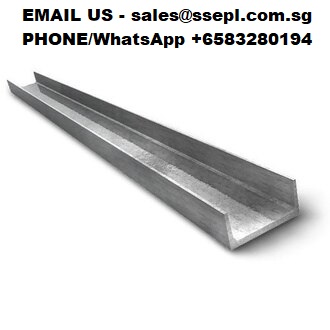
A C-Purlin is a structural member commonly used in the construction of buildings, warehouses, and other large structures. Its unique C-shaped profile provides excellent strength-to-weight ratio, making it an ideal choice for supporting roofs and walls. The “2.4mm thick” specification indicates that these C-Purlins are robust and can withstand significant loads, while the galvanized finish ensures resistance to corrosion and rust.
Singapore Specialized Engineering Pte ltd

Author: Demo_Theme
High Tensile 1.9mm Thick Galvanized C-Purlin Installer In Singapore

A C-Purlin is a structural component commonly used in the construction industry. It’s a channel-shaped beam that provides support for roofs and walls, offering excellent load-bearing capabilities. The galvanized coating protects the steel from rust and corrosion, making it an ideal choice for buildings in humid climates, such as Singapore.
High Tensile 1.9mm Thick Galvanized C-Purlin Fabricator In Singapore
C-purlins are structural components shaped like the letter “C”. They are used primarily in the construction of buildings and are crucial for supporting roofs, walls, and other structural elements. The “C” shape allows for better load distribution, making these purlins an excellent choice for various construction projects.
High Tensile 1.9mm Thick Galvanized C-Purlin Manufacturer In Singapore
C-Purlins are structural components used in the construction of buildings, particularly in the framing of roofs and walls. Their unique “C” shape provides excellent load-bearing capabilities, making them ideal for various applications, including commercial and industrial buildings.
High Tensile 1.9mm Thick Galvanized C-Purlin Supplier In Singapore
A C-Purlin is a structural component used in construction, characterized by its ‘C’ shape. It is primarily used in the construction of roof and wall systems, providing excellent support and stability. The 1.9mm thickness is particularly beneficial, as it offers a perfect balance between strength and weight, making it suitable for various applications.
High Tensile 1.5mm Thick Galvanized C-Purlin Installer In Singapore
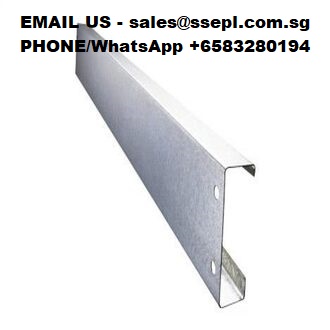
A C-purlin is a structural component used primarily in steel buildings, warehouses, and other commercial structures. The “C” shape of the purlin provides excellent support and load-bearing capabilities. These purlins are often made from high tensile steel and are galvanized to enhance their durability and resistance to corrosion.
High Tensile 1.5mm Thick Galvanized C-Purlin Fabricator In Singapore
C-Purlins are horizontal structural beams that are used in buildings and other structures to support roofs, walls, and floors. Their C-shaped cross-section contributes to their strength and versatility, making them ideal for a variety of applications, from industrial warehouses to residential buildings.
High Tensile 1.5mm Thick Galvanized C-Purlin Manufacturer In Singapore
C-Purlins are horizontal structural members that provide support for roofs and walls in various types of buildings. The “C” shape allows for maximum strength while minimizing weight. Made from high tensile steel and often galvanized for corrosion resistance, these purlins are ideal for both commercial and residential constructions.
High Tensile 1.5mm Thick Galvanized C-Purlin Supplier In Singapore
In the bustling construction industry of Singapore, the demand for durable and reliable materials is at an all-time high. Among these essential materials is the high tensile 1.5mm thick galvanized C-purlin. Whether you are a contractor, builder, or architect, understanding the significance and advantages of C-purlins can greatly impact the success of your projects.
High Tensile 300x96x20mm Galvanized C-Purlin Installer In Singapore
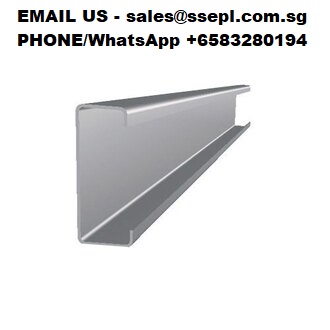
C-Purlins are horizontal beams that are used in construction to support roofs, walls, and other structures. Their design resembles the letter “C,” which provides excellent load-bearing capabilities while maintaining lightweight properties. The 300x96x20mm specifications refer to the dimensions of the C-Purlin, making it suitable for various applications, from residential buildings to industrial warehouses.