
0.42mm thick roofing typically refers to metal roofing sheets made from steel or aluminum. The thickness of 0.42mm offers a perfect balance between strength and lightweight performance, making it a popular choice for various types of structures.
Singapore Specialized Engineering Pte ltd

Author: Demo_Theme
0.37mm Thick Roofing

0.37mm thick roofing typically refers to metal roofing sheets made from materials such as galvanized steel, aluminum, or zinc. This thickness strikes an excellent balance between weight, cost, and durability, making it ideal for residential and commercial buildings alike.
0.6mm Thick Hoarding

Hoarding is a temporary structure used to enclose construction sites, renovation projects, or events. It serves multiple purposes, including safety, security, and privacy. Hoarding can also be an excellent marketing tool, showcasing branding and advertisements.
0.5mm Thick Hoarding

In the realm of construction, advertising, and events, hoarding plays a crucial role in creating a barrier between the public and construction sites or promotional displays. Among various thicknesses, 0.5mm thick hoarding has gained significant popularity due to its versatility and effectiveness. In this guide, we will explore the benefits, uses, and installation tips for 0.5mm thick hoarding, ensuring you make an informed decision for your next project.
0.6mm Thick Wall Cladding

Wall cladding is a protective layer attached to the exterior or interior walls of a building. The 0.6mm thickness refers to the gauge of the material used, which can be metal, vinyl, wood, or composite. This thickness provides a perfect balance between strength and flexibility, making it an ideal choice for various applications.
0.5mm Thick Wall Cladding

Wall cladding refers to the application of one material over another to provide a skin or layer. It serves both functional and decorative purposes, protecting the structure from weather elements, enhancing thermal insulation, and improving the overall aesthetic appeal of a building.
0.6mm Thick Ceiling Panel
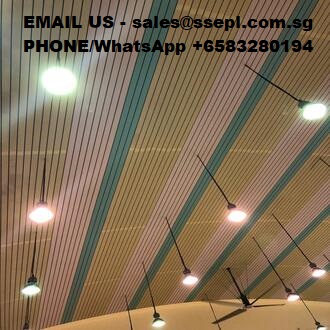
When it comes to home renovation and interior design, the ceiling is often an overlooked aspect. However, it plays a crucial role in the overall aesthetic and functionality of a room. One of the most popular choices for ceiling panels today is the 0.6mm thick ceiling panel. In this blog post, we will explore the benefits, applications, and installation tips for these versatile panels, ensuring you make an informed decision for your next project.
0.5mm Thick Ceiling Panel

0.5mm thick ceiling panels are lightweight, versatile, and aesthetically pleasing materials used to cover ceilings. Made from a variety of materials, including PVC, polystyrene, and MDF, these panels are designed to enhance the visual appeal of your ceilings while providing functional benefits like insulation and soundproofing.
Awning

An awning is a secondary covering attached to the exterior wall of a building. It is typically made of canvas or acrylic cloth and is supported by a frame made of aluminum or steel. Awnings come in various styles, sizes, and colors, making them a versatile choice for any home.
Cladding

Cladding is a protective layer applied to the exterior of a building. Its primary function is to shield the structure from weather elements, improve insulation, and enhance aesthetic appeal. Cladding can be made from various materials, including wood, metal, vinyl, and stone, making it a versatile choice for different architectural styles.